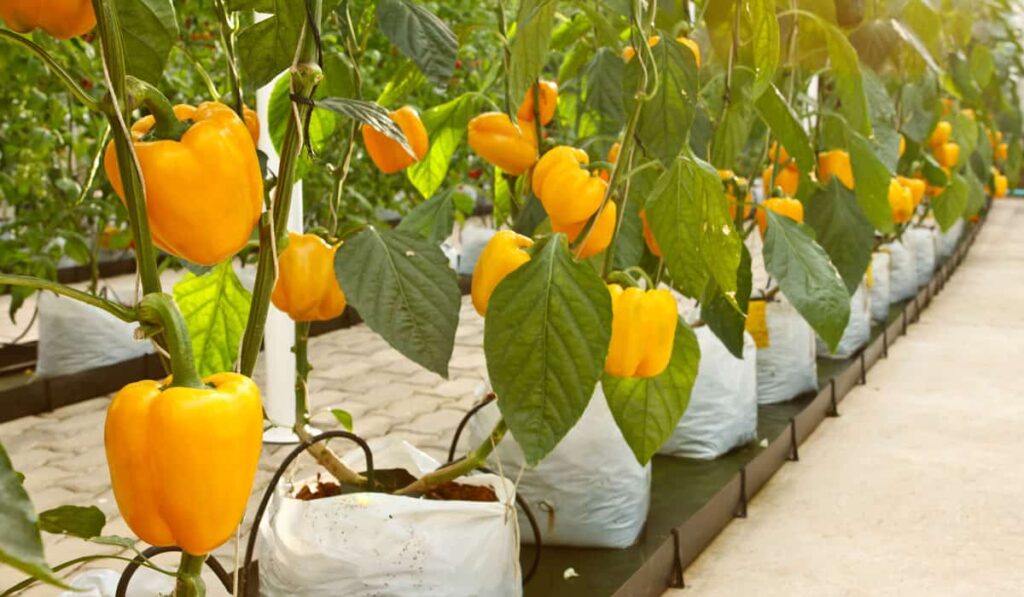
Introduction: The Spicy Revolution in Hydroponics
The world of peppers is far more diverse than the bell peppers you find in every supermarket. Specialty peppers, with their unique flavors, heat levels, and vibrant colors, are experiencing a surge in popularity. From the fiery ghost pepper to the fruity habanero and the smoky chipotle, these peppers are adding zest to cuisines worldwide. But what if you could grow these exotic peppers right in your own home, regardless of space or climate? That’s where hydroponics comes in.
Hydroponics, the art of growing plants without soil, offers a compelling solution for cultivating specialty peppers. By providing a controlled environment and precise nutrient delivery, hydroponics can unlock faster growth, higher yields, and superior flavor profiles compared to traditional soil-based methods. This comprehensive guide will walk you through everything you need to know to successfully grow specialty peppers hydroponically, from choosing the right varieties to troubleshooting common issues.
Why Grow Specialty Peppers Hydroponically? The Advantages Unveiled
Before diving into the specifics, let’s explore the compelling reasons why hydroponics is an excellent choice for growing specialty peppers:
- Faster Growth Rates: Hydroponic systems deliver nutrients directly to the roots, bypassing the need for plants to search for food in the soil. This direct access translates to significantly faster growth rates, allowing you to harvest peppers sooner.
- Higher Yields: With optimized nutrient solutions and environmental control, hydroponic systems can produce significantly higher yields compared to traditional methods. You can grow more peppers in a smaller space.
- Year-Round Growing: Hydroponics allows you to grow peppers year-round, regardless of the outdoor climate. By controlling temperature, humidity, and lighting, you can create the ideal growing conditions for your peppers, even in the dead of winter.
- Reduced Pest and Disease Problems: Soilborne pests and diseases can wreak havoc on pepper plants. Hydroponics eliminates the soil, significantly reducing the risk of these problems.
- Water Conservation: Hydroponic systems recycle water, reducing water consumption compared to traditional irrigation methods. This is especially important in areas with limited water resources.
- Precise Nutrient Control: Hydroponics allows you to precisely control the nutrient solution, ensuring that your peppers receive the exact nutrients they need at each stage of growth. This precision leads to healthier plants and better-tasting peppers.
- Space Efficiency: Hydroponic systems can be set up in small spaces, making them ideal for urban gardeners or anyone with limited outdoor space. Vertical growing systems can further maximize space efficiency.
Choosing the Right Specialty Peppers for Hydroponics
Not all pepper varieties are equally well-suited for hydroponic cultivation. Some varieties thrive in hydroponic systems, while others may be more challenging. Here are some popular and rewarding specialty peppers to consider:
- Habanero: Known for its fruity flavor and intense heat, the habanero is a popular choice for hydroponic growers. It produces prolific yields and thrives in warm, humid environments.
- Jalapeño: A classic pepper with a moderate heat level, the jalapeño is easy to grow and produces consistently high yields. It’s a versatile pepper that can be used in a variety of dishes.
- Serrano: Similar to the jalapeño but with a slightly higher heat level, the serrano is another excellent choice for hydroponic cultivation.
- Cayenne: A long, slender pepper with a fiery kick, the cayenne is often dried and ground into powder. It’s a prolific producer in hydroponic systems.
- Thai Chili: Small but mighty, Thai chilies pack a serious punch. They are relatively easy to grow hydroponically and add a distinctive flavor to Asian cuisine.
- Ghost Pepper (Bhut Jolokia): One of the hottest peppers in the world, the ghost pepper requires careful handling but can be successfully grown hydroponically with proper care.
- Scotch Bonnet: With a distinctive fruity flavor and intense heat, the Scotch bonnet is a popular pepper in Caribbean cuisine.
- Shishito: A mild pepper with a slightly sweet flavor, the shishito is often blistered and served as an appetizer. It’s a fast-growing pepper that is well-suited for hydroponics.
When choosing pepper varieties, consider your taste preferences, the available space in your hydroponic system, and the level of difficulty you are comfortable with. Start with easier varieties like jalapeños or serranos and gradually experiment with more challenging peppers as you gain experience.
Selecting the Right Hydroponic System for Peppers
Several types of hydroponic systems are suitable for growing specialty peppers. Each system has its own advantages and disadvantages, so it’s important to choose the one that best suits your needs and resources.
- Deep Water Culture (DWC): In a DWC system, the roots of the pepper plants are suspended in a nutrient-rich solution that is aerated with an air pump and air stone. DWC is a simple and inexpensive system that is well-suited for beginners.
- Nutrient Film Technique (NFT): In an NFT system, a thin film of nutrient solution flows continuously over the roots of the pepper plants. NFT is a highly efficient system that requires careful monitoring of nutrient levels and pH.
- Ebb and Flow (Flood and Drain): In an ebb and flow system, the grow tray is periodically flooded with nutrient solution, which then drains back into the reservoir. Ebb and flow is a versatile system that can be used with a variety of growing media.
- Drip System: In a drip system, nutrient solution is delivered directly to the base of each pepper plant through small drip emitters. Drip systems are efficient and can be easily automated.
- Aeroponics: In an aeroponic system, the roots of the pepper plants are suspended in the air and sprayed with nutrient solution. Aeroponics is a highly efficient system that promotes rapid growth, but it requires careful monitoring and maintenance.
For beginners, DWC or ebb and flow systems are often the easiest to set up and maintain. As you gain experience, you can explore more advanced systems like NFT or aeroponics.
Setting Up Your Hydroponic System: A Step-by-Step Guide
Once you’ve chosen your pepper varieties and hydroponic system, it’s time to set up your growing environment. Here’s a step-by-step guide to get you started:
- Choose a Location: Select a location that receives at least 6-8 hours of direct sunlight per day. If you don’t have access to enough natural light, you’ll need to supplement with grow lights.
- Assemble Your System: Follow the instructions provided with your hydroponic system to assemble it correctly. Ensure that all connections are secure and that the system is leak-proof.
- Prepare the Nutrient Solution: Use a high-quality hydroponic nutrient solution specifically formulated for peppers. Follow the manufacturer’s instructions for mixing and diluting the solution. Maintain the pH level between 5.5 and 6.5.
- Start Your Seeds or Cuttings: You can start pepper plants from seeds or cuttings. If starting from seeds, use a seed starting mix or rockwool cubes. If using cuttings, take them from healthy, disease-free plants.
- Transplant Your Seedlings or Cuttings: Once your seedlings or cuttings have developed a strong root system, transplant them into your hydroponic system. Be careful not to damage the roots during transplantation.
- Provide Adequate Lighting: If you’re growing indoors, provide your pepper plants with adequate lighting. LED grow lights are an energy-efficient and effective option.
- Maintain Optimal Temperature and Humidity: Peppers thrive in warm temperatures (70-85°F) and moderate humidity (50-70%). Use a thermostat and humidifier to maintain these conditions.
- Monitor and Adjust Nutrient Levels: Regularly monitor the nutrient levels in your hydroponic system and adjust as needed. Use a TDS (Total Dissolved Solids) meter to measure the concentration of nutrients in the solution.
- Provide Support for Your Plants: As your pepper plants grow, they may need support to prevent them from falling over. Use stakes, trellises, or cages to provide support.
Nutrient Solutions: Feeding Your Peppers for Success
The nutrient solution is the lifeblood of your hydroponic pepper plants. It provides all the essential nutrients that the plants need to grow and thrive. Choosing the right nutrient solution and maintaining the correct nutrient levels is crucial for success.
Use a hydroponic nutrient solution specifically formulated for peppers. These solutions typically contain a balanced blend of macronutrients (nitrogen, phosphorus, potassium) and micronutrients (iron, manganese, zinc, copper, boron, molybdenum). Follow the manufacturer’s instructions for mixing and diluting the solution.
The ideal nutrient levels for peppers vary depending on the growth stage. During the vegetative stage, peppers need more nitrogen to promote leaf growth. During the flowering and fruiting stages, they need more phosphorus and potassium to support flower and fruit development.
Regularly monitor the nutrient levels in your hydroponic system using a TDS meter. The TDS meter measures the concentration of dissolved solids in the solution, which is an indicator of the nutrient levels. Adjust the nutrient levels as needed to maintain the optimal range for peppers.
It’s also important to monitor the pH level of the nutrient solution. Peppers thrive in a slightly acidic environment with a pH between 5.5 and 6.5. Use a pH meter to measure the pH level and adjust it as needed using pH up or pH down solutions.
Lighting: Illuminating Your Pepper Plants for Optimal Growth
Light is essential for photosynthesis, the process by which plants convert light energy into chemical energy. Peppers need adequate light to grow and produce fruit. If you’re growing peppers indoors, you’ll need to provide them with artificial lighting.
LED grow lights are an energy-efficient and effective option for growing peppers indoors. They emit a broad spectrum of light that is beneficial for plant growth. Choose LED grow lights with a color temperature of 6400K for the vegetative stage and 2700K for the flowering and fruiting stages.
The amount of light that peppers need depends on the variety and growth stage. In general, peppers need at least 6-8 hours of direct sunlight per day or 14-16 hours of artificial light. Monitor your plants closely and adjust the lighting as needed.
Position the grow lights close enough to the plants to provide adequate light intensity, but not so close that they burn the leaves. Use a light meter to measure the light intensity and adjust the distance accordingly.
Temperature and Humidity: Creating the Ideal Climate for Peppers
Peppers thrive in warm temperatures and moderate humidity. Maintaining the optimal temperature and humidity levels is crucial for healthy growth and high yields.
The ideal temperature for peppers is between 70-85°F (21-29°C). Temperatures below 60°F (16°C) can stunt growth, while temperatures above 90°F (32°C) can cause flower drop.
The ideal humidity level for peppers is between 50-70%. High humidity can promote fungal diseases, while low humidity can cause the leaves to dry out.
Use a thermostat and humidifier to maintain the optimal temperature and humidity levels in your growing environment. You can also use a fan to improve air circulation and prevent fungal diseases.
Pollination: Ensuring Fruit Set in Your Hydroponic Peppers
Peppers are self-pollinating, meaning that they can pollinate themselves without the need for insects or wind. However, in a controlled environment like a hydroponic system, pollination can be enhanced to ensure fruit set.
You can hand-pollinate your pepper plants by gently shaking the flowers or using a small brush to transfer pollen from one flower to another. You can also use a fan to create air movement and facilitate pollination.
Another option is to introduce beneficial insects like bees or bumblebees into your growing environment. These insects will naturally pollinate your pepper plants.
Pruning and Training: Shaping Your Pepper Plants for Higher Yields
Pruning and training can help to improve air circulation, light penetration, and fruit production in your hydroponic pepper plants.
Remove any yellowing or dead leaves from the bottom of the plant to improve air circulation and prevent fungal diseases. Prune away any suckers that grow from the base of the plant, as these will divert energy away from fruit production.
You can also train your pepper plants to grow vertically by using stakes, trellises, or cages. This will help to support the plants and prevent them from falling over.
Pest and Disease Control: Protecting Your Pepper Plants from Harm
While hydroponics reduces the risk of soilborne pests and diseases, pepper plants can still be susceptible to certain problems. It’s important to monitor your plants regularly and take action to control any pests or diseases that may arise.
Common pests that can affect pepper plants include aphids, spider mites, and whiteflies. These pests can be controlled with insecticidal soap, neem oil, or beneficial insects like ladybugs.
Common diseases that can affect pepper plants include fungal diseases like powdery mildew and blossom end rot. These diseases can be prevented by providing good air circulation, avoiding overwatering, and maintaining the correct pH level.
If you encounter any pest or disease problems, take action immediately to prevent them from spreading. Remove any infected leaves or plants and treat the remaining plants with an appropriate insecticide or fungicide.
Harvesting: Enjoying the Fruits (or Peppers) of Your Labor
The time it takes to harvest peppers depends on the variety and growing conditions. In general, peppers are ready to harvest when they have reached their full size and color.
Use a sharp knife or scissors to cut the peppers from the plant. Be careful not to damage the plant when harvesting.
Store harvested peppers in a cool, dry place. Fresh peppers can be stored in the refrigerator for up to a week. You can also dry, freeze, or pickle peppers for longer storage.
Troubleshooting Common Problems: Addressing Challenges in Hydroponic Pepper Growing
Even with careful planning and execution, you may encounter some challenges when growing specialty peppers hydroponically. Here are some common problems and how to address them:
- Nutrient Deficiencies: Yellowing leaves, stunted growth, or unusual leaf patterns can indicate nutrient deficiencies. Use a TDS meter to check the nutrient levels and adjust the nutrient solution accordingly.
- pH Imbalance: An incorrect pH level can prevent plants from absorbing nutrients properly. Use a pH meter to check the pH level and adjust it using pH up or pH down solutions.
- Pest Infestations: Aphids, spider mites, and whiteflies can damage pepper plants. Use insecticidal soap, neem oil, or beneficial insects to control these pests.
- Fungal Diseases: Powdery mildew and blossom end rot can affect pepper plants. Provide good air circulation, avoid overwatering, and maintain the correct pH level to prevent these diseases.
- Blossom Drop: Blossom drop can occur when temperatures are too high or too low, or when humidity is too high. Maintain optimal temperature and humidity levels to prevent blossom drop.
- Root Rot: Root rot can occur when the roots are constantly submerged in water without adequate aeration. Ensure that your hydroponic system provides adequate aeration to prevent root rot.
Advanced Techniques: Taking Your Hydroponic Pepper Growing to the Next Level
Once you’ve mastered the basics of growing specialty peppers hydroponically, you can explore some advanced techniques to further optimize your yields and flavor profiles:
- Hydroponic Cloning: Cloning allows you to propagate pepper plants from cuttings, preserving the desirable traits of the parent plant.
- Sea of Green (SOG): SOG is a technique that involves growing a large number of small pepper plants in a small space. This technique can significantly increase yields.
- Screen of Green (ScrOG): ScrOG involves training pepper plants to grow horizontally along a screen. This technique maximizes light exposure and promotes even growth.
- Nutrient Cycling: Nutrient cycling involves varying the nutrient solution throughout the growth cycle to optimize nutrient uptake.
- Environmental Control: Implementing advanced environmental controls, such as CO2 enrichment, can further enhance growth and yields.
Conclusion: The Future is Spicy – and Hydroponic
Growing specialty peppers hydroponically is a rewarding and efficient way to produce flavorful and high-quality peppers. By understanding the principles of hydroponics, choosing the right varieties, and providing optimal growing conditions, you can unlock a world of spicy possibilities. Whether you’re a seasoned gardener or a complete beginner, hydroponics offers a compelling solution for growing specialty peppers year-round, regardless of space or climate. So, embrace the spicy revolution and start growing your own hydroponic peppers today!